Questions? Call: 0763 484 869 Monday-Friday | 08:00 - 18:00


Free delivery up to 10% from the order value

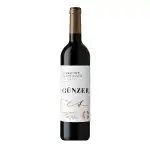
GÜNZER Ördögarok Cuvée 2017
In stock | |
| Return period | The product is not returnable. |
| Delivery time (days) | 5-7 days |
| Country of dispatch | 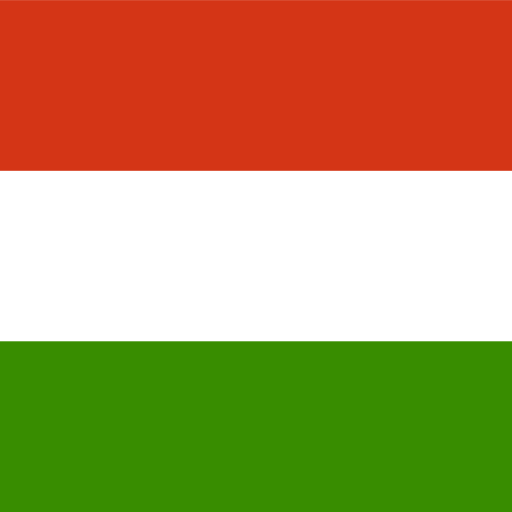 Hungary Hungary |
| Destination countries | 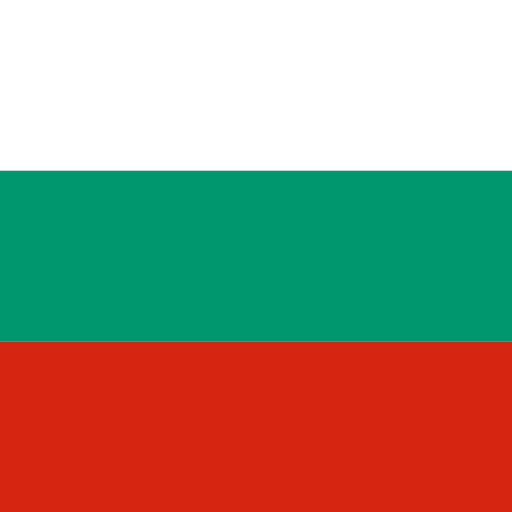 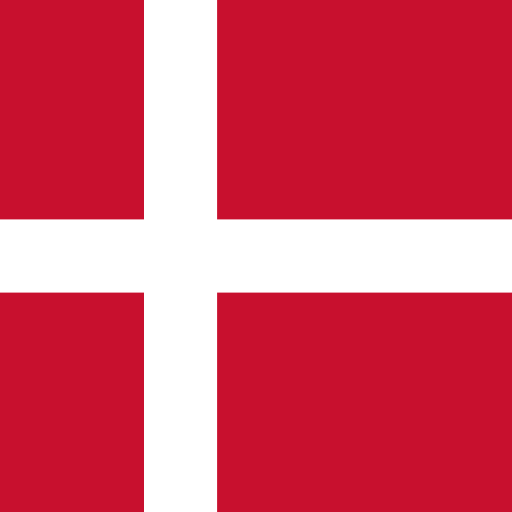  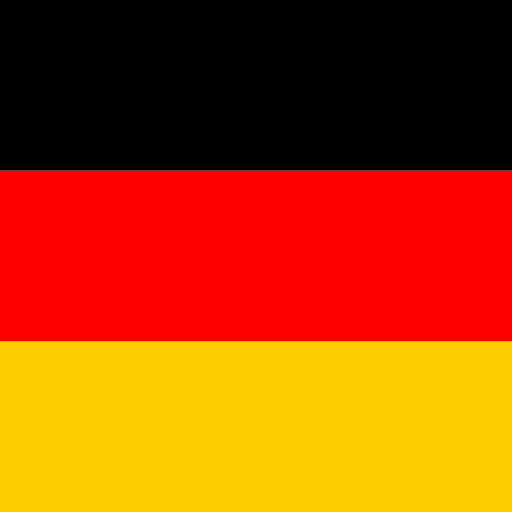     |
Minimum quantity: 60
Choose multiple of 6
≈2222.40 lei
150000 HUF
Price with VAT ≈2822.45 lei
190500 HUF
Benefit from secure payments through Supreva payment methods.
Description
(English below) One of the best-equipped vineyards in the Villány wine region, which lies in a basin, so the warm, high-humidity air coming from the south gets stuck in the valley, creating a unique microclimate there, which is excellent for grape growing. The components of Ördögár Cuvée are merlot (60%), cabernet franc (30%) and cabernet sauvignon (10%), and it is made exclusively in the year when we can speak of an excellent vintage. The first vintage of Ördögarok Cuvée was produced in 2006 and since then this wine has been the pride and iconic top product of the Günzer Family Estate. The secret of the wine is mostly to be found in the vineyard's unique quality characteristics, since thanks to the vineyard's soil (clay loess), the grapes arrive from the harvest with massive, ripe tannins, which tannic acid later basically determines the content characteristics of the red wine. Curiosity, that the date of the harvest is often postponed until the end of October, because it is very important that sufficiently ripe, but still healthy, tannin-rich berries arrive for processing. The capitals have an extremely low load, which in the best case is 0.5 kg/capital. It has 10 years of potential. The Ördögarok Hill is one of the most productive vineyards of the Villány wine region. Its name, literally meaning 'devil's ditch', comes from the local legend that the area was plowed by the devil himself. As of yet there is no proof for this. The Ördögár Cuvée is made up of a strict ratio of merlot (60%), Cabernet Franc (30%), and Cabernet Sauvignon (10%). Moreover, it is exclusively produced in excellent vintage years. The first vintage Ördögarok Cuvée was made in 2006. Since then it has been the pride of the Günzer Family Wine Estate. It is an iconic high-end wine. The wine's secrets are the hill's unique characteristics. Thanks to the hill's soil (clay loess), the harvested grapes arrive with robust and mature tannins that come to fundamentally determine the red wine's characteristics. It is interesting to note that the harvest's timing is often pushed to the end of October. This is due to the fact that it is very important for the arriving grapes to be rich in tannins, sufficiently mature, and yet still healthy. Clusters can only take extremely low loads. At best this is 0.5 kg/ cluster. It has a 10-year aging potential. It is interesting to note that the harvest's timing is often pushed to the end of October. This is due to the fact that it is very important for the arriving grapes to be rich in tannins, sufficiently mature, and yet still healthy. Clusters can only take extremely low loads. At best this is 0.5 kg/ cluster. It has a 10-year aging potential. It is interesting to note that the harvest's timing is often pushed to the end of October. This is due to the fact that it is very important for the arriving grapes to be rich in tannins, sufficiently mature, and yet still healthy. Clusters can only take extremely low loads. At best this is 0.5 kg/ cluster. It has a 10-year aging potential.
Opinions (0)
Similar Products
From the same vendor
≈27.41 lei

≈16.30 lei
I want to receive offers and business information to expand my business
An online community that allows small business owners and independent brands to sell and buy wholesale, at the manufacturer's price, from one place.
Oceano Mercado S.R.L.
J18/930/09.11.2020, RO37397636
Strada Cornestilor, no. 34, Balesti, county Gorge