Questions? Call: 0763 484 869 Monday-Friday | 08:00 - 18:00


Free delivery up to 10% from the order value
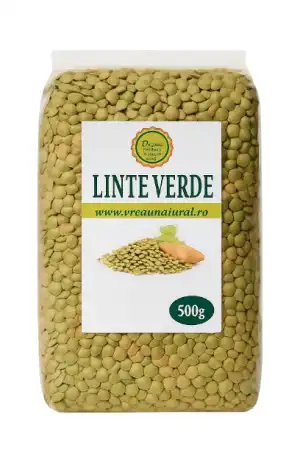
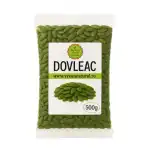
Green lentils, Natural Seeds Product, 500 g, wholesale Supreva
In stock | |
| Return period | The product is not returnable. |
| Delivery time (days) | 1-2 days |
| Country of dispatch |  Romania Romania |
| Destination countries |         |
Minimum quantity: 1
≈2.27 €
11.94 RON
Price with VAT ≈2.52 €
13.25 RON
33 other people chose this product.
Benefit from secure payments through Supreva payment methods.
Description
Lentils have valuable nutritional properties and are easy to prepare. Compared to preparations from other types of vegetables with dry grains (such as beans), preparations from lentils are relatively quick and easy to prepare. Lentils easily absorb a variety of wonderful flavors from other foods and spices and are available year-round. The lentil has the botanical name Lens ensculenta. The most common types of lentils are green or brown in color, but lentils are also available in black, yellow, red and orange. The flavor differs slightly among the lentil varieties, the taste being generally dense, somewhat nutty. "The combination of rice and lentils increases the protein value three times" - nutritionist Patrick Holford tells us. This is also the basis of diets in India. Lentils, a small but nutritionally powerful member of the legume family, are a very good source of fiber that helps lower cholesterol. In addition to its beneficial effects on the digestive system and the heart, soluble fiber helps stabilize blood sugar levels. If you have insulin resistance, hypoglycemia or diabetes, it is recommended to consume lentil preparations that can really help balance blood sugar levels while providing constant energy. The high fiber content in lentils prevents the rapid increase in blood sugar levels after each meal. Lentils provide our body with six important minerals, two vitamins from the B complex, complete proteins and virtually no fat. Lentils, this little nutritional giant, bring only 230 calories to a quantity contained in a glass. Lentils, like other types of vegetables with grains such as beans, are rich in both soluble and insoluble dietary fibers. Soluble fibers form a gel-like substance in the digestive tract and help bile. Research in the field has shown that insoluble fibers prevent constipation and increase stool, but, in addition, help prevent digestive disorders such as irritable bowel syndrome and diverticulosis. Lentils' contribution to heart health is not only in fiber, but also in significant amounts of folic acid and magnesium. Folic acid helps lower levels of homocysteine (an amino acid that is an intermediate in an important metabolic process called the methylation cycle). When we have enough magnesium in the body, the veins and arteries breathe "relaxed". In addition to providing carbohydrates with a gradual release of energy, lentils increase the energy level in the body by replenishing your iron reserves. Menstruating women are particularly at risk of iron deficiency. Increasing iron stores with the help of lentils is a good idea - especially since, unlike red meat, which is really another source of iron, lentils are not rich in fat and calories. Iron is an integral component of hemoglobin, which transports oxygen from the lungs to all body cells, and is also part of the enzyme systems with a key role for metabolism and energy production. And remember: If you are pregnant or breastfeeding, the need for iron increases even more. Growing children and adolescents also need more iron. Cook with confidence lentil dishes for children. source: prodieta.ro Wholesale product available on the B2B marketplace, Supreva Market For Business, at wholesale prices directly from the manufacturer.
Opinions (0)
Similar Products
From the same vendor
I want to receive offers and business information to expand my business
An online community that allows small business owners and independent brands to sell and buy wholesale, at the manufacturer's price, from one place.
Oceano Mercado S.R.L.
J18/930/09.11.2020, RO37397636
Strada Cornestilor, no. 34, Balesti, county Gorge