Questions? Call: 0763 484 869 Monday-Friday | 08:00 - 18:00

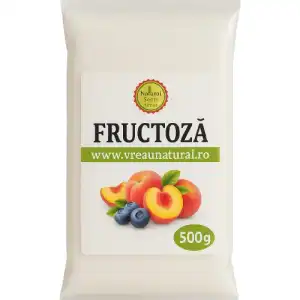
Fructose, Natural Seeds Product, 500g, wholesale Supreva
Product no longer available | |
| Return period | The product is not returnable. |
| Delivery time (days) | 1-2 days |
| Country of dispatch |  Romania Romania |
| Destination countries |           |
12 other people chose this product.
Benefit from secure payments through Supreva payment methods.
Description
The effects of fructose on human health have been the source of much controversy. This is because there are different types of fructose in food, some of which are bad for your health. Fructose is a natural sugar that is present in fruits, fruit juices, certain vegetables and honey. In these forms, fructose sugars can be part of a healthy diet. However, fructose is also a component of high-fructose corn syrup (HFCS), which manufacturers make from corn starch and add to unhealthy foods such as soda and candy. Researchers are studying the links between high-fructose foods and obesity, diabetes and even some types of cancer. However, there is some evidence that fructose is not necessarily a public health problem when a person consumes it in moderation. What is fructose? Fructose is a natural sugar found in fruits and honey. Fructose is the sweetest of the naturally occurring caloric sweeteners. Fructose occurs naturally in fruits, fruit juices, honey and even some vegetables. Pure fructose is much sweeter than other sugars. As a result, people can use less fructose than other sugars in cooking to achieve the same sweetness. The most significant sources of fructose in the diet include: table sugar honey agave nectar fruit juices HFCS, which is present in candy, baked goods and soda and other processed foods Manufacturers create HFCS by adding certain enzymes to corn starch, which is essentially pure glucose. Glucose is another type of sugar. Then they use this glucose to create a syrup that contains different amounts of fructose. Most varieties of HFCS contain 42 or 55% fructose and 45% glucose. This means that HFCS contains the same amount of fructose as sucrose or table sugar. Manufacturers produce table sugar from a combination of fructose and glucose. Honey is another common additive. Honey contains a 1-to-1 fructose-glucose ratio. Is fructose bad for you? Natural fructose from fresh fruits and vegetables is good for a person's health. Processed forms of fructose, such as HFCS, can have negative health effects. Scientists are currently studying how this type of sweetener compares to other forms of sugar. Below, we discuss research on the risks and potential benefits of fructose on a person's health. The Evidence Against Fructose Consuming large amounts of fructose can put a person at greater risk of obesity. Some researchers believe that the body processes fructose differently from other types of sugar. In particular, there are concerns that when a person consumes excess fructose, it can stimulate the body to deposit additional fat, especially in the liver. This can contribute to non-alcoholic fatty liver disease. According to a 2017 review of the literature, consuming excessive amounts of fructose is associated with: inflammation that could lead to insulin resistance an increase in fat growth because it can change the way the body breaks down fats and carbohydrates an increased risk of obesity and related conditions such as metabolic syndrome a higher food intake because it doesn't make people feel full pliniThe fructose evidence Although there is evidence that excessive fructose consumption is bad for health, it is difficult for researchers to separate the effects of dietary fructose from those of other sugars. This is because foods that contain high levels of added fructose usually also contain high levels of other sugars, such as glucose. Scientists are conducting numerous research studies on the effects of fructose on combinations fed with sugar in rats. A 2014 literature review states that fructose does not have specific effects on the body that can lead to weight gain compared to the consumption of sugar from other sources. The authors also argue that, while sugary drinks contain fructose, they are also high in calories. This may explain some of the links between fructose and obesity. Wholesale product available on the B2B marketplace, Supreva Market For Business, at wholesale prices directly from the manufacturer.
Opinions (0)
Similar Products


From the same vendor


I want to receive offers and business information to expand my business

An online community that allows small business owners and independent brands to sell and buy wholesale, at the manufacturer's price, from one place.
Oceano Mercado S.R.L.
J18/930/09.11.2020, RO37397636
Strada Cornestilor, nr. 34, Balesti, jud. Gorj