Questions? Call: 0763 484 869 Monday-Friday | 08:00 - 18:00


Free delivery up to 10% from the order value

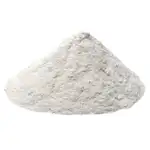
Coconut flour, BIO ECO 500g, wholesale Supreva
In stock | |
| Return period | 14 days |
| Delivery time (days) | 2-3 days |
| Country of dispatch |  Romania Romania |
| Destination countries |         |
Minimum quantity: 1
≈3.11 €
16.28 RON
Price with VAT ≈3.45 €
18.07 RON
7 other people chose this product.
Benefit from secure payments through Supreva payment methods.
Description
One of the main reasons why you should try organic coconut flour is that, unlike wheat, barley and rye flours, it is gluten-free. Gluten intolerance can cause bloating, abdominal pain, intestinal transit disorders or poor absorption of nutrients from food. Therefore, if you have such problems, you can successfully use organic, ecological coconut flour. Coconut flour is rich in dietary fiber. A spoonful of organic coconut flour has 5 grams of fiber, unlike whole wheat flour (0.8 grams of fiber in a spoon) or white wheat flour (0.2 grams of fiber in a spoon). In addition, a large part of the fibers found in coconut flour are insoluble, which gives you the feeling of satiety for a longer period of time, improves the health of the colon and helps against constipation. Even if it seems hard to believe, coconut flour contains more fiber than some fruits and vegetables. Organic coconut flour contains more protein than wheat flour. A portion of 100 grams of coconut flour contains 19 grams of protein, while wheat flour, only 10. Even if these proteins do not contain all the essential amino acids for the body, they contribute to the daily protein requirement. You can use it to prepare cakes, pie doughs, but also in sauces or different kinds of smoothies. Ingredients: coconut flour, bio eco, from ecological agriculture. Wholesale product available on the B2B marketplace, Supreva Market For Business, at wholesale prices directly from the manufacturer.
Opinions (0)
Similar Products





I want to receive offers and business information to expand my business
An online community that allows small business owners and independent brands to sell and buy wholesale, at the manufacturer's price, from one place.
Oceano Mercado S.R.L.
J18/930/09.11.2020, RO37397636
Strada Cornestilor, no. 34, Balesti, county Gorge