Questions? Call: 0763 484 869 Monday-Friday | 08:00 - 18:00


Free delivery up to 10% from the order value

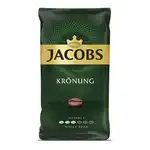
Coffee beans Papua New Guinea 250g - medium (box)
In stock | |
| Return period | 14 days |
| Delivery time (days) | 2-3 days |
| Country of dispatch |  Hungary Hungary |
| Destination countries |         |
Minimum quantity: 1
≈6.39 €
2263 HUF
Price with VAT ≈8.12 €
2874 HUF
Benefit from secure payments through Supreva payment methods.
Description
The inhabitants of Papua New Guinea, located north of the tip of Australia, began to seriously grow coffee only 100 years ago. A significant proportion of the farms are planted with Kenyan varieties, typically 95% of Arabica coffee is still grown in the country today. However, the boom of the 1990s was followed by a major decline, which the private and public sectors are now consciously trying to reverse, paying attention to sustainability, better soil quality and even higher levels of training for farmers. The rich volcanic soil, 1400-1900 meters above sea level, the cool climate, the lush biodiversity of the tropical forests that provide shade and retain moisture, create the opportunity to grow coffee of the highest quality. In most cases, local farmers do not use synthetic fertilizers or chemical pesticides. The leaves of shade trees and the bark and pulp of freshly processed fruit provide a natural and nutrient-rich soil cover. More than 90% of the coffee grown in Papua New Guinea is grown on small farms or small village coffee gardens, with the rest on large plantations. There can be distinct differences in the flavor profiles of local coffees, largely due to the way the coffee beans are processed, but it can be said that Papua New Guinean coffee consists of coffee beans of equal size, with a pleasant taste, round body and medium acidity characterized by fruit and spice, its delicious aftertaste complements it. The coffee is roasted in such a way as to reveal the best possible aromas. The coffee foam is light, concentrated, with medium density. Production area: Waghi Valley, Western Highlands.
Opinions (0)
Similar Products



I want to receive offers and business information to expand my business
An online community that allows small business owners and independent brands to sell and buy wholesale, at the manufacturer's price, from one place.
Oceano Mercado S.R.L.
J18/930/09.11.2020, RO37397636
Strada Cornestilor, no. 34, Balesti, county Gorge